















Original Mother's Day Gifts
04/20/2026
OFFICIAL RETAILER OF LUXURY EYEWEAR BRANDS | 24/48h shipping
TRENDS | DISCOVER THE LATEST ARRIVALS!
PAY WITH KLARNA OR SCALAPAY
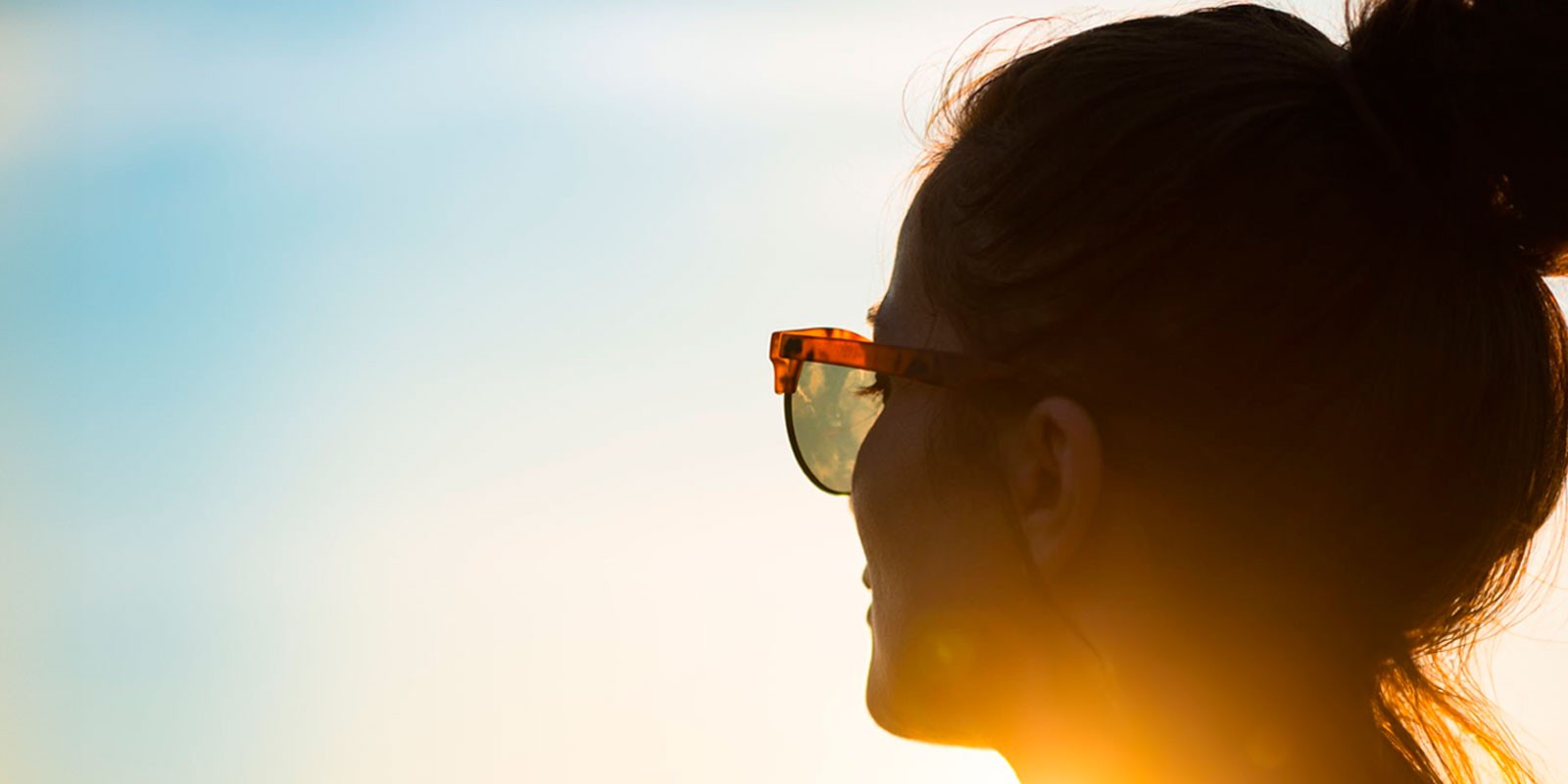
Summer arrives, the heat, the beach and the pool and our social networks and news programs are filled with news to prevent sun damage. You've probably heard about the importance of using sunscreen to avoid skin diseases, drinking water to stay hydrated and avoiding the hours of greatest sun exposure. But perhaps you have never heard of the importance of good sunglasses to protect your eyes from the sun's influence.
Quality sunglasses will be your best ally to protect the ocular surface from direct light and, at the same time, filter some of this light that can damage certain sensitive areas of our eye.
This is why it is so important to make a good choice of our sunglasses, since, otherwise, we can end up causing more problems than benefits for our eye health. Make sure you buy approved sunglasses and that they have the sun filter number on the lens, as well as knowing the material they are made of.
Before continuing with the post, let's take a break to explain what is UV radiation that we hear so much about when summer arrives.
Ultraviolet radiation, better known as UV radiation or simply UV, is a form of non-ionizing radiation that is emitted by the sun and artificial sources (solarium, gym lights, some lasers, etc.). It is true that this type of radiation has benefits, such as the production of vitamin D which is essential for our health, but overexposure can cause burns, skin cancer or even blindness.
This risk is higher in people with light skin and eyes, also if we are taking certain medications, if we use cosmetics that increase the sensitivity of our skin or are not of good quality, if we have a family history of cancer or in people over 50 years of age.
Ultraviolet (UV) radiation is classified into 3 types:
- Ultraviolet A (UVA), which is most of the radiation that reaches the Earth from the sun and also the one that penetrates the skin the most and damages our eyes.
- Ultraviolet B (UVB) also comes from the sun, but only 5% of it reaches us, as most of it is absorbed by the ozone layer. Even so, it can affect our health.
- Ultraviolet C (UVC). This radiation is completely absorbed by the ozone layer and the atmosphere.
There are many eye diseases and damages caused by UV radiation and, in most cases, they are irreversible. That is why it is important to be aware of them and protect us to avoid them. Here is the most common eye injuries caused by the sun:
Photoconjunctivitis
Photoconjunctivitis is a type of conjunctivitis caused by overexposure to UV radiation. Some of the symptoms it causes are eye pain, inflammation, a feeling of being constantly gritty and excessive tearing. This damage is reversible and is treated with antibiotics and sun avoidance for 15 days. This is the most frequent eye injury.
Pterygium
Pterygium is perceived as a red spot in the eye caused by the growth of an ocular tissue that irritates the cornea, and you will think you have something in your eye that you cannot remove. If this growth is not controlled, the only solution will be to undergo surgery.
Photokeratitis
It is another disease that affects the cornea, which inflames it and causes hypersensitivity to light and blurred vision. The most frequent cause of this inflammation is the reflection of the sun's rays on sand or snow.
Retinopathy
As its name suggests, retinopathy is damage to the retina. It is very rare, as it is caused by exaggerated overexposure, but it is more common if we observe eclipses without adequate protection.
Considering all the risks that our eyes take when we expose ourselves to the sun, we hope that you are more aware of the importance of choosing good sunglasses to protect them.
There are two things you must check before investing in sunglasses: check that they are approved and comply with the system established by the European Union in 1995 and also know the level of sun protection of the lenses that your eyes and vision need.
As we always say from Vytria, glasses are much more than a complement. We must keep in mind that it is an accessory that we wear on our face, and it is the first thing they see about us and the first thing that speaks about us. That is why it is important to consider the style and trends when buying sunglasses or new frames. But the most important thing is to be sure of the protection and functionality they provide.
There are 4 essential steps to choosing sunglasses with the right UV protection:
1. Check the UV protection. The protection of the lenses of sunglasses against UVA and UVB radiation must be 100% and this information is indicated on the label of the glasses (something that also proves that our glasses are original).
2. Choose quality lenses, value polarized lenses. Choosing the lens for your glasses will also depend on your personal needs. For example, polycarbonate lenses are excellent for protection and comfort. But it will also be important to consider the type of filter or the color of the lens (although the darkest lenses are not always the most protective). You can also consider opting for polarized lenses that reduce glare or photochromic lenses and you will have prescription glasses and sunglasses in one pair.
3. Size of the glasses. Again, this will depend on the size of your face, but the important thing is that the frame and lens cover your eyes well. Wrap-around frames are a very good option because they offer better peripheral protection.
4. Comfort and fit. In both adult sunglasses and children's sunglasses it is very important that the glasses are comfortable and for that they have to fit well to the face, the bridge to the nose and the rods to our ears and we feel them well fastened. A proper fit guarantees the best protection against UV radiation.
To be sure that our sunglasses meet quality standards there are 4 factors you should check.
1. European Conformity Certificate (CE). This certificate ensures that the lens has the safety levels and minimum elements established by the European Union.
2. UV protection. Check that the glasses have the UV400 seal that guarantees total protection against UVA and UVB radiation.
3. Resistant materials, especially if we are talking about lenses, but the frame must also be of good quality.
4. Lenses with anti-reflective filter. Not to be confused with polarized lenses, since most of them will not be, but they must have this filter that allows you to see clearly and avoids glare in the eyes.
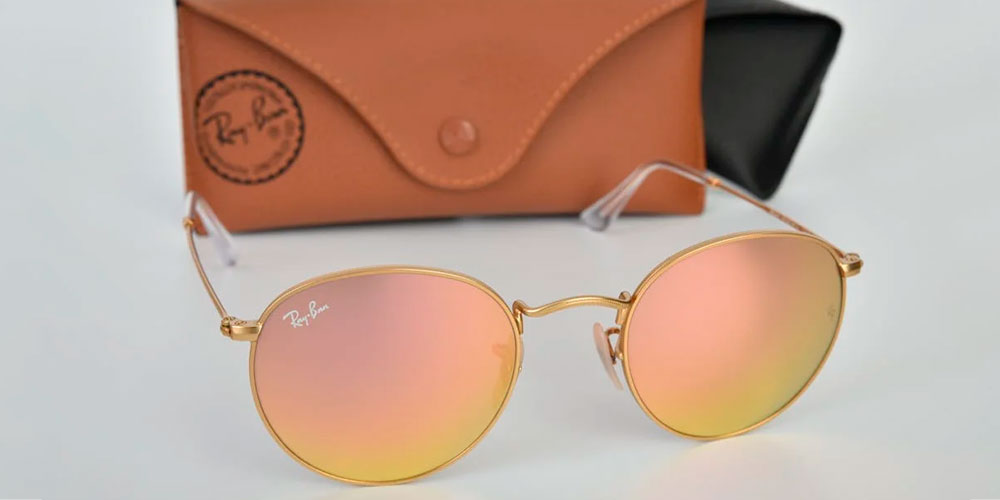
In Vytria we care about your eye health and for this reason we only work with top quality eyewear brands that ensure that all the glasses we offer meet the minimum standards of quality and maximum protection for your eyes.
If you have any doubts with any of our glasses contact us through any of our Customer Service channels, we respond immediately!
Please sign in first.
Sign in
Don't lose your wishlist
To save your favorite items, log in or create an account to save your list indefinitely and access it from any device.
Log in

